For many Filipinos, the first reaction to hearing aids is, “Hindi pa naman ako matanda.” The problem is, hearing loss rarely announces itself loudly. It often begins with small moments: asking “ha?” more often, turning up the TV, or pretending you heard what someone said just to avoid embarrassment. These moments don’t mean you’re old, but they do mean your ears need support—just like your eyes might need glasses.
Hearing loss is about life, not age
Hearing changes can happen at any stage of life. They can be caused by long-term exposure to loud sounds (like traffic, construction, or karaoke), frequent earphone use, untreated ear infections, or family history of hearing problems. None of these are about “being lolo or lola”; they’re about being human in a noisy, modern world.
What really matters is how hearing loss affects your everyday life. Missing parts of conversations, especially in group settings, can lead to misunderstandings at work, tension at home, and quiet withdrawal from social situations. Over time, many people pull back from family gatherings or barkadas because it’s tiring to keep saying, “Paki ulit.” That isolation—not a number on your birth certificate—is what can make someone feel old.
The real stigma: pretending there’s no problem
In Filipino families, we’re often taught to “tiis” things: sakit sa tuhod, pagod, even emotional struggles. Hearing is no different. Many people joke about it—“Ha? Bingi na ata ako!”—but deep down, they feel scared. Scared of looking weak, scared of being labeled “old,” scared of being left behind in conversations.
The truth is, denying hearing problems doesn’t protect your pride; it slowly chips away at your confidence. It can cause:
- Frustration because you keep asking others to repeat themselves
- Misunderstandings because you catch only parts of what’s said
- Emotional distance from the people you love, even while sitting in the same room
Choosing to get help—like a hearing test or hearing aids—is not a sign of aging; it’s a sign of courage and self-respect.
Modern hearing aids: small, smart, and discreet
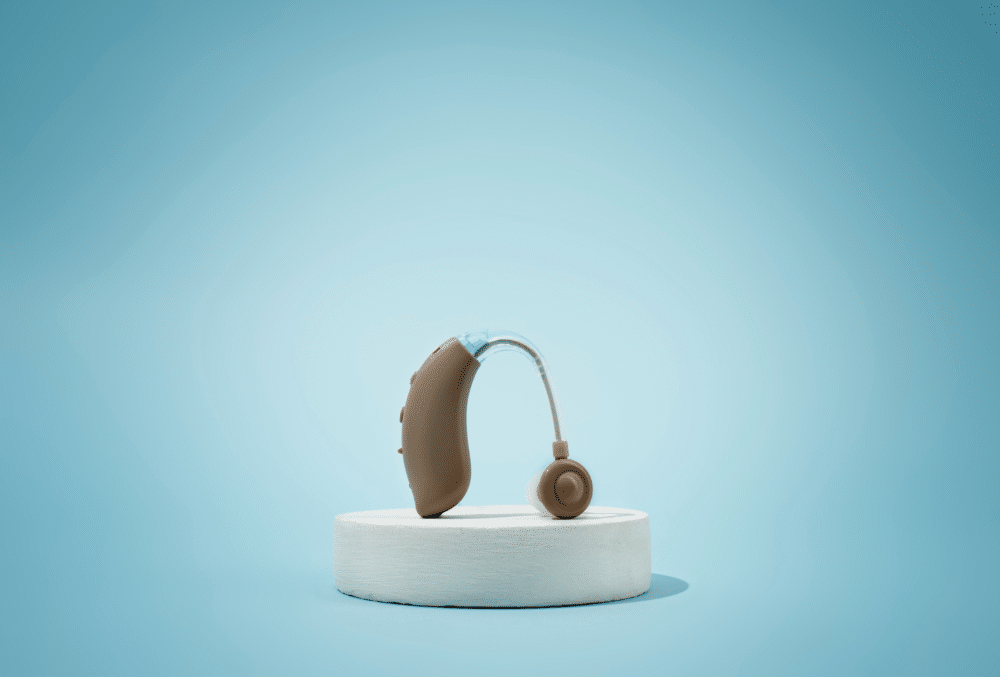
Many people still imagine hearing aids as big, beige devices that whistle and scream, “I’m old!” That image is outdated. Modern hearing aids are:
- Small and discreet, often barely noticeable behind or inside the ear
- Designed to match your skin tone or hair color
- Built with smart technology that can reduce background noise and make voices clearer
For many users, loved ones notice something has changed—not because they see the hearing aids, but because conversations become easier again. They laugh more, respond faster, and feel more present. The “you” that people see is not someone who’s old, but someone who is engaged, attentive, and confident.
What really makes someone feel “old”?
Think of two scenarios in a Filipino family setting:
- Person A refuses to address their hearing problems. They mishear instructions, get irritated during conversations, and avoid gatherings because it’s “nakakapagod makipag-usap.”
- Person B acknowledges they’re struggling and chooses to wear hearing aids. They stay in the conversation, enjoy stories from apos, laugh at the punchline the first time, and remain active in decisions at home.
Who seems older?
Often, it’s not the one wearing hearing aids. It’s the one slowly withdrawing from life because they can’t fully participate. Being able to hear clearly helps you stay mentally sharp, emotionally connected, and socially present—these are signs of vitality, not aging.
Hearing aids as self-care and love
Hearing aids are like eyeglasses, braces, or a blood pressure monitor. They are tools. When we wear glasses, no one says, “Ang tanda mo na.” Instead, we say, “At least kita mo na ulit.” The same mindset should apply to hearing.
Choosing to address hearing loss is:
- An act of care for yourself, so you can continue to enjoy music, conversations, and daily sounds
- An act of love for your family, so they don’t have to shout, repeat, or worry if you truly heard them
- An act of responsibility, especially if you’re still working, driving, or caring for others
In Filipino culture, we value pakikipagkapwa—connection with others. Clear hearing is a powerful way to protect that.
From awareness to action
If you’ve noticed that you or someone in your family:
- Often says “Ha?” or “Ano ulit?”
- Struggles to follow conversations in noisy places like restaurants or jeepneys
- Turns the TV or radio up louder than others prefer
- Avoids group conversations or pretends to understand
These may be early warning signs of hearing changes, not warnings of “getting old.” The most important step is not to ignore them.
A simple hearing test can give you clarity: either peace of mind that everything is fine for now, or a clear plan for what to do next. And if hearing aids are recommended, remember: they are not a label. They are a lifeline—back to clearer conversations, shared jokes, family kwento, and the everyday sounds that make life feel full.
Take the first step: get your hearing checked
If you or a loved one suspects even a slight hearing problem, don’t wait for it to get worse. The earlier you act, the easier it is to adapt and protect your quality of life.
Check your hearing today:
- Learn more about professional hearing tests here: Hearing tests at Active Hearing Center
- Ready to talk to a professional? Book an appointment at an Active Hearing Center near you
Wearing hearing aids doesn’t mean you’re old—it means you chose to keep listening to the people and moments that matter most.