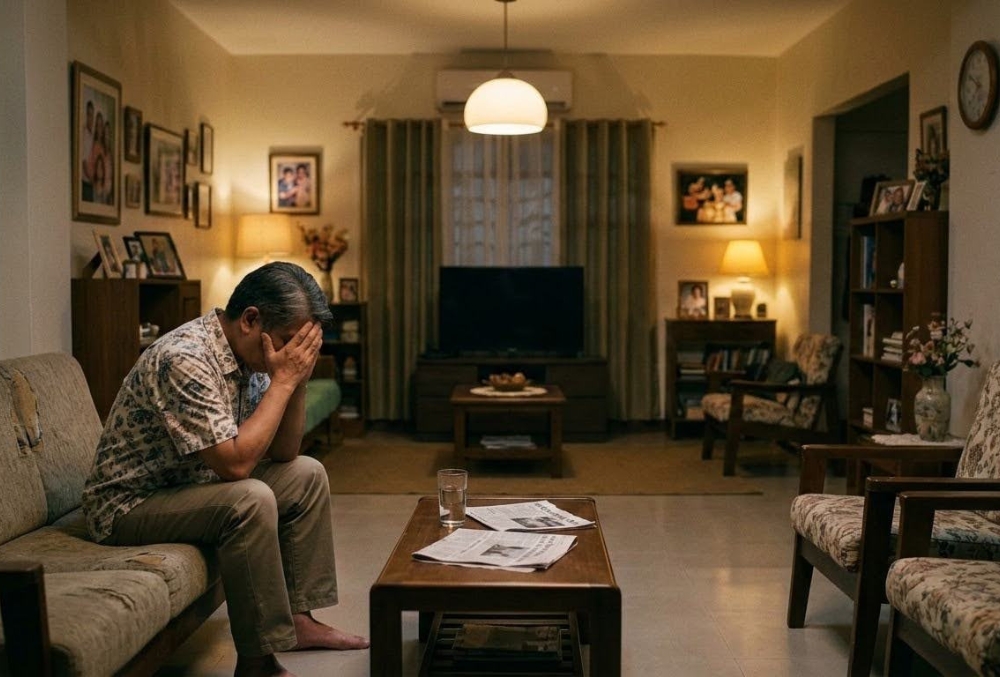
In many Filipino homes, love is expressed through kwentuhan over dinner, noisy laughter during family gatherings, and late-night chika with those closest to us. When someone starts having hearing problems, these simple moments can quietly become difficult and painful—often before anyone realizes what is really happening. Hearing loss is not just about “mahina na ang pandinig”; it changes how families talk, connect, and understand one another.
Frustration behind repeated “Ha?”
At first, family members may just notice that Lola often says “Ha?” or that Tatay turns the TV volume up too loud. People joke about it or repeat what they said a little louder. But over time, the constant repetition can become tiring for everyone.
The person with hearing difficulty may feel embarrassed for always asking others to repeat themselves. They might worry that they are becoming an “abala” or that they are slowing conversations down. Meanwhile, family members can feel annoyed or impatient, especially after a long day at work or school. What used to be light banter can turn into sharp comments like, “Ikaw kasi, makinig ka!” or “Hindi ka na naman nakikinig.”
Because we value respeto in Filipino culture, many people try to hide their frustration. They force a smile and speak louder, but inside they feel exhausted. This unspoken tension slowly builds a wall between family members, even when no one means to hurt anyone.
Repetition fatigue in everyday life
Repetition doesn’t happen only during conversations—it shows up in daily routines. Instructions at home need to be repeated. Important reminders are missed. Children need to clarify what their Lolo or Lola said. The spouse becomes the “interpreter” during family gatherings, relaying what was said to the loved one with hearing loss.
Over time, this leads to what many describe as “pagod na akong magpaliwanag.” It’s not just physical tiredness; it’s emotional fatigue. Simple things like organizing a family outing, discussing finances, or planning a celebration become more stressful because everyone has to adjust their communication style.
For Filipino families who often live in multigenerational homes, this repetition fatigue affects the entire household. Volume levels are frequently negotiated. People complain that they cannot rest because the TV is too loud. Others feel guilty when they lose patience. The home, which should be a place of comfort, can start to feel like a communication battlefield.
Misunderstandings and “tampo” moments
Hearing problems don’t only cause missed words; they cause missed meanings. When a person mishears a joke, a comment, or a request, it can lead to misunderstandings that feel personal.
Lola might think people are talking about her when they are not. A spouse might interpret a neutral tone as irritation, simply because they only caught part of the sentence. A child with hearing difficulty may feel scolded more often because they don’t respond right away, and adults assume it’s disobedience instead of not hearing.
In Filipino families, where sensitivity and “pakiramdam” are strong, these misunderstandings can quickly turn into tampo. Someone might withdraw, go quiet, or avoid certain conversations because they feel hurt. The heartbreaking part is that the conflict doesn’t come from lack of love—it comes from words that were never heard clearly.
Emotional withdrawal and quiet isolation
As hearing problems worsen, many people begin to withdraw from conversations. They may:
- Stop joining in group discussions because they cannot keep up
- Sit silently in one corner during reunions
- Avoid answering the phone or video calls
- Pretend they understand, just smiling and nodding
On the outside, it might look like they are simply “mahiyain” or “tahimik na lang.” Inside, they could be feeling deeply isolated. It’s painful to be physically present with family and still feel left out of the story. For elders, this can trigger sadness and even depression. For children or teens with hearing difficulties, it can lead to low self-esteem and a sense of being “different.”
This emotional withdrawal affects the rest of the family too. Children may feel their grandparents are no longer interested in them. Spouses might assume their partner doesn’t care about their stories anymore. Siblings may think their brother or sister is snobbish or moody. When hearing problems remain unaddressed, emotional distance can grow in a family that still loves each other very much.
From awareness to acceptance and action
The good news is that hearing problems do not have to define Filipino family life. When families recognize the signs early, they can respond with understanding instead of blame. Accepting that “this might be a hearing issue” opens the door to practical solutions, healthier communication, and renewed closeness.
Talking openly about hearing difficulties—without judgment or shame—helps reduce stigma. It sends a powerful message: “Hindi ka nag-iisa, at tutulungan ka namin.” Families can learn small adjustments that make a big difference, like facing the person when speaking, reducing background noise, and being patient when repeating. But one of the most impactful steps is getting a proper hearing test and professional guidance.
Take the first step: get a hearing test
If you recognize these signs in yourself or a loved one—constant “Ha?”, rising frustration, frequent misunderstandings, or growing emotional distance—now is the best time to act.
Learn more about professional hearing tests at Active Hearing Center and what they can reveal about your or your loved one’s hearing health: Hearing Test – Active Hearing Center
Ready to take action today?
Book a hearing test with Active Hearing Center and start rebuilding clearer, warmer conversations at home: Book an Appointment