Walking into Active Hearing Center for your first comprehensive hearing test is straightforward: you’ll be greeted, interviewed about your hearing, examined, tested, and then guided through your results and next steps before you leave.
Step 1: Welcome and purpose of visit
When you arrive, the front desk or hearing care professional will greet you and assist you with your visit. If you have an appointment, they will confirm your booking and guide you through the next steps; if you are a walk-in, they will check the schedule and let you know whether you can be seen right away or if you may need to wait until an open slot is available.
They will briefly ask why you came in (trouble hearing conversations, tinnitus, dizziness, follow-up from a doctor, etc.) so they understand your main concern and expectations for the visit.
Step 2: Patient information and case history
After the welcome, you will be asked to provide your basic personal and contact details, which will be recorded in your patient file. The clinician will then sit down with you for a case history interview, asking about your hearing and overall health so they can better understand your situation.
Typical questions include when you first noticed hearing difficulties, whether you experience tinnitus, dizziness, ear pain, or discharge, and if you have a history of ear infections or ear surgery. They may also ask about your work and noise exposure, family history of hearing loss, medical conditions, medications, and any previous hearing tests or hearing aid use. All of this information helps them tailor the hearing test and recommendations to your specific needs and daily listening challenges https://www.writingincomeaccelerator.com/the-resurgence-of-brand-journalism-and-why-its-here-to-stay/
Step 3: Ear examination (otoscopy)
Before any test, the clinician will visually check your ears using an otoscope.
They will look at your outer ear, ear canal, and eardrum to check for earwax blockage, signs of infection or inflammation, perforation, fluid, scarring, or any foreign object.
This step ensures it is safe and appropriate to continue with hearing tests and helps identify conditions that may require medical treatment first.
Step 4: The hearing tests
You will then undergo a set of audiological tests chosen based on your age, symptoms, and ear exam findings.
These may include:
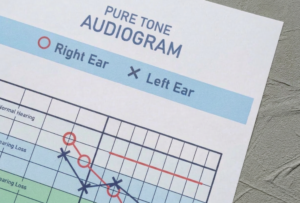
- Pure Tone Audiometry (PTA) – You wear headphones or insert earphones and press a button or raise your hand when you hear beeps at different pitches and volumes; this shows the softest sounds you can hear in each ear.
- Speech Audiometry – You listen to and repeat words at different volume levels to measure how clearly you understand speech, not just how soft you can hear.
- Tympanometry (if needed) – A small probe in the ear gently changes air pressure to see how well your eardrum and middle ear move, helping detect issues like fluid or stiffness.
These tests are painless and done in a quiet room or sound booth, and the clinician will explain each step before starting so you know what to do.
Step 5: Results explanation and counseling
Once testing is complete, the clinician will review your results and show you your audiogram and other test findings.
If your hearing is normal:
- They will explain what “normal” means for your age and lifestyle and reassure you about your hearing status.
- You’ll receive practical tips on protecting your hearing, such as noise protection, ear hygiene, and safe listening habits (for work, music, or gadgets).
If hearing loss is found:
- They will clearly explain the type (e.g., sensorineural, conductive), degree (mild to profound), and possible causes of your hearing loss in everyday language.
- You’ll discuss management options, which may include medical referral to an ENT for certain conditions, hearing aid solutions, communication strategies (like positioning, visual cues, or assistive devices), and an appropriate follow-up plan.
Throughout this step, you can ask questions about your results, prognosis, and what to expect going forward.
Step 6: Hearing aid trial (if recommended)
If your results show a hearing loss that can benefit from amplification, the clinician will talk with you about hearing aid options.
They will consider your hearing test results, lifestyle (work, social life, hobbies), budget, and cosmetic preferences when suggesting specific styles and technology levels.
If appropriate, they may proceed with a trial fitting so you can experience how hearing aids sound in real time.
During this trial, they will explain that there is an adaptation period where your brain gets used to “new” sounds again, and that this is normal.
Step 7: Hearing aid counseling and next steps
For those who proceed with a hearing aid trial or decide to get hearing aids, the clinician will provide more detailed counseling.
Topics covered typically include:
- Different hearing aid types and features, so you understand what you are choosing and why.
- Proper usage and maintenance (how to insert, remove, clean, and store your devices).
- Realistic expectations about what hearing aids can and cannot do, especially in noisy places, and the importance of consistent use.
- Warranty terms, aftercare services, and the recommended follow-up schedule for adjustments and checks.
- Take-home hearing aid trial to experience different listening environments.
Before you leave, you will know your hearing status, the recommended management plan, and what the next steps are—whether that is routine monitoring, medical referral, or a structured hearing aid trial and follow-up schedule.
When it comes to your hearing, waiting rarely helps. Even a slight concern—turning up the TV a bit more, asking people to repeat themselves, or feeling unusually tired after conversations—can be an early sign that your ears need attention. Catching changes early gives you more options, helps protect the hearing you still have, and can make a big difference in your day-to-day comfort and confidence.
A comprehensive hearing test is simple, painless, and gives you clear answers about what’s really going on. A basic hearing test can be completed in as little as 10 minutes and your results are explained immediately—there’s no need to wait for another day; if a more comprehensive assessment is needed, you can expect to spend about 30 minutes to an hour so your hearing can be evaluated in greater detail. Instead of guessing or “just getting by,” you’ll walk away with a clear picture of your hearing health and a plan tailored to your needs—whether that’s simple monitoring, lifestyle adjustments, or hearing solutions that help you reconnect with the sounds and people that matter most.
If you’ve noticed even a small change in your hearing, consider this your sign to take the first step. Schedule your comprehensive hearing test with Active Hearing Center and let our team guide you through the process with care, clarity, and support—so you can hear, live, and connect at your best.