When Lola stops joining conversations, it rarely happens all at once. It often starts quietly, almost invisibly. One day at Sunday lunch, you notice she laughs half a second late after everyone else. Another day, she smiles politely when someone cracks a joke, but her eyes look unsure, searching the faces around the table to figure out what she missed.
Nobody says anything. Maybe you think, “Pagod lang si Lola.” She says she’s fine. But slowly, week after week, her chair at the center of the table becomes a little more like a corner seat.
The silent chair at the table
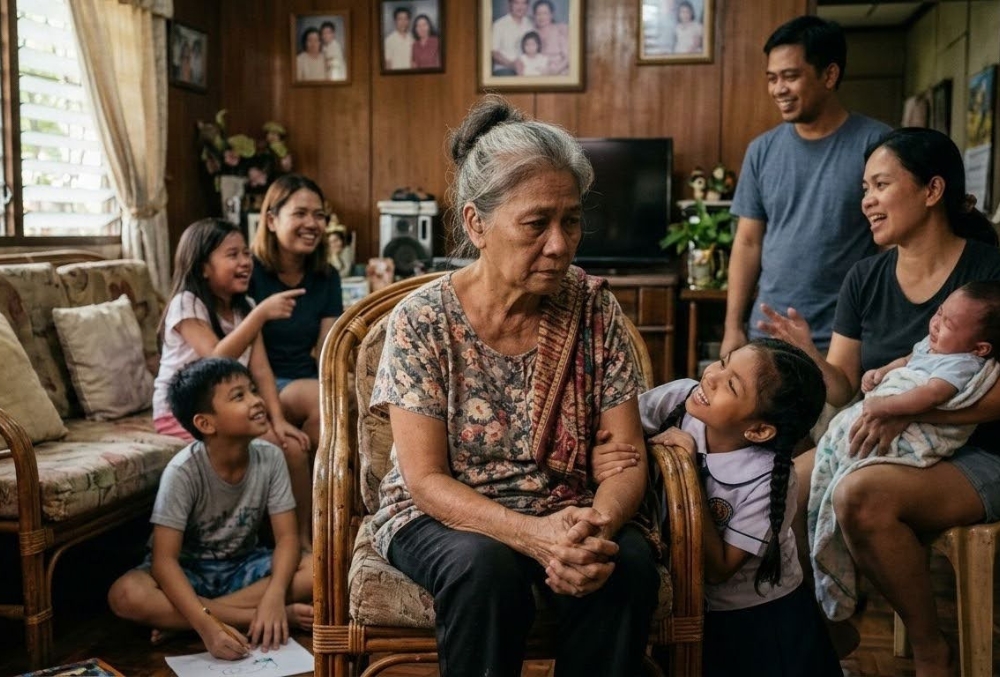
Picture a typical Filipino family gathering: kids running around, titos debating politics, titas talking about work and chismis, music in the background, plates and kutsara-tinidor clinking. It’s loud, warm, and wonderfully chaotic.
In the middle of it all, Lola sits quietly.
Before, she would lead the kwentuhan. She would tell stories about growing up in the probinsya, how she met Lolo, or how life was “noon” compared to “ngayon.” Everyone would lean in, laughing at her punchlines, asking follow-up questions. She was the emotional center of the family.
Now, she mostly listens—or at least, she tries to.
From her seat, voices blend together. The high pitch of her apo’s voice disappears in the background noise. The TV, electric fan, and overlapping conversations turn into a wall of sound. She catches a few words, but not enough to follow the thread. She guesses the topic and nods when others nod. She laughs when others laugh.
On the outside, she looks present. On the inside, she feels alone.
Hearing loss, not disinterest
Many families mistake Lola’s quietness for personality change: “Siguro, tumatanda na,” “Ayaw na niya makihalubilo,” or “Mas gusto niya na lang manood sa sala.” But very often, it isn’t that she doesn’t want to join in—it’s that she can’t.
Hearing loss usually comes in slowly. It’s not like a switch that turns off overnight. At first, she only misses some words. Then she starts asking, “Ano daw?” more often. Eventually, she gets tired of repeating the same question, or feels shy when people answer with a raised voice, or worse, with impatience. She doesn’t want to be a burden. So she chooses silence.
This is where isolation begins.
When Lola stops joining conversations, she loses more than just words. She loses the chance to connect with her grandchildren. She loses the opportunity to share her wisdom, to feel needed, to be part of the noise and laughter that once made her feel alive. And the family loses something too: her stories, her guidance, her presence as the steady heart of the home.
The emotional cost of not hearing
From Lola’s perspective, gatherings become stressful instead of joyful.
She may think:
- “Nakakahiya na, lagi na lang ako nagpapaulit.”
- “Baka ma-offend sila kung hindi ko marinig nang tama.”
- “Mas mabuti nang manahimik.”
So she withdraws—not because she doesn’t care, but because she is protecting herself from embarrassment and exhaustion.
Over time, this withdrawal can feel like being in a glass box. She sees everyone, but she can no longer fully join them. She watches her apos talk about school, work, relationships, their dreams—but the details slip away from her. When you ask her later, “Narinig niyo po yun, La?” she might just smile and say, “Oo naman,” even if she didn’t.
Inside, she may feel:
- Lonely, even when surrounded by family
- Less important, because conversations move on without her
- Afraid that this is just how aging has to be
But it doesn’t have to be this way.
A different kind of love: helping Lola hear again
There is a simple shift that can change everything: seeing Lola’s silence not as “just aging,” but as a possible sign of hearing loss that you can do something about.
Love, in this context, looks like:
- Sitting beside her and speaking face-to-face, a bit slower and clearer
- Lowering the TV volume when talking to her
- Gently asking, “La, nahihirapan po ba kayong marinig minsan?”
- Reassuring her that needing help with hearing is not a weakness or a shame
And most importantly, love looks like helping her access proper hearing care. A hearing test is not a punishment or a label—it’s a tool to bring her back into the conversation. It’s a way to say, “We still want to hear your stories. We still need your voice.”
When Lola can hear more clearly, she can:
- Follow jokes and laugh at the same time as everyone else
- Answer questions confidently
- Share her memories without guessing what others are saying
- Feel like the respected, central figure in the family again
You’re not just improving her hearing. You’re restoring a vital part of her identity in the family.
For families who see their Lola in this story
If you recognize your own Lola in this picture—the polite smile, the quiet chair at the edge of the conversation, the “okay lang ako” even when she looks lost—this may be the moment to act.
You don’t have to wait until she is completely withdrawn before doing something. The earlier you notice the signs of hearing difficulty, the sooner you can help her stay connected to the people she loves most.
Give the gift of hearing
If you’ve seen your Lola, Lolo, or any older loved one slowly slipping out of family conversations, consider this your gentle nudge to act.
A professional hearing test is a simple, caring step that can:
- Identify if there is hearing loss
- Help you understand its degree and possible solutions
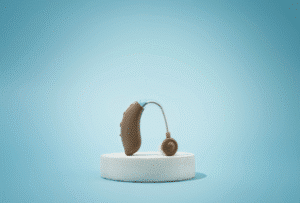
- Open the door to devices and strategies that bring your loved one back into the heart of family life
Give your Lola the chance to laugh with you in real time again. Give her the ability to hear “La, I love you” clearly. Give her the confidence to lead the kwentuhan once more.
Give the gift of hearing today.
Book a hearing test for your loved one through Active Hearing Center.