Many Filipinos live for years saying, “Okay pa naman pandinig ko,” even while turning up the TV volume, asking people to repeat themselves, or quietly avoiding phone calls. Hearing problems are common, but hearing tests are still seen as optional, intimidating, or even shameful. This gap between need and action has real consequences for Filipino family life, emotional health, and connection.
Hearing Loss Often Feels “Normal”
For many, hearing loss happens slowly. It starts with missing certain words in conversation, struggling in noisy restaurants, or having trouble understanding soft‑spoken people. Because these changes are gradual, they are easy to explain away: pagod lang, maingay lang, or “mahina lang boses mo.”
Over time, the brain and habits adjust. People learn to read lips more, sit closer to the TV, or choose quieter spots at gatherings. Since they can still “manage,” they don’t see hearing loss as a medical concern that requires a test. In their minds, a hearing test is only for someone who is “almost deaf,” not someone who is “medyo mahina lang.”
Stigma, Pride, and the Fear of Looking “Old”
Admitting you have trouble hearing can feel like admitting weakness. Many Filipinos worry others will think they are “may kapansanan” or “matanda na.” There is a strong desire to appear strong, capable, and independent, especially among breadwinners and elders who are used to taking care of the family—not being taken care of.
Because of this, a lot of people prefer to laugh along and nod rather than say “Ha, paki‑ulit?” too many times. They may pretend to understand jokes, avoid group conversations, or simply stay quiet. This protects their pride in the moment, but it also keeps them from seeking a simple, practical solution: a professional hearing test.
“Ganyan talaga pag tumatanda”
Another big reason Filipinos avoid hearing tests is the belief that hearing loss is just a normal, untreatable part of aging. When a parent or grandparent starts saying “Ha?” more often, the common response is: “Normal lang ‘yan, tumatanda na.”
This attitude turns a manageable health issue into something the family just has to live with. Instead of asking, “How can we help Nanay hear better?” the question becomes, “How can we adjust so she doesn’t get offended or left out?” While the intention is loving, it unintentionally accepts isolation as part of aging. In reality, many age‑related hearing problems can be managed or improved—with the right diagnosis.
The Quiet Impact on Filipino Family Life
Hearing loss doesn’t just affect the person with the problem; it affects everyone around them. Misunderstandings happen more often. A simple missed word can sound like a change in tone or attitude. People may feel ignored, offended, or unimportant when someone doesn’t respond properly—not realizing the real issue is that they simply didn’t hear.
In Filipino families, where “pakiramdam” and sensitivity are strong, this can easily lead to “tampo.” A parent might withdraw from conversations because they’re tired of asking for repeats. A spouse might stop joining in on family chika because they feel out of place. Little by little, hearing loss builds an invisible wall between loved ones—even while they sit in the same room.
Misconceptions About Hearing Tests and Hearing Aids
Many Filipinos also avoid hearing tests because of myths and misconceptions. Some common ones include:
- “If I get tested, they’ll force me to buy expensive hearing aids.”
- “Tests are only for severe cases; mine is not that bad.”
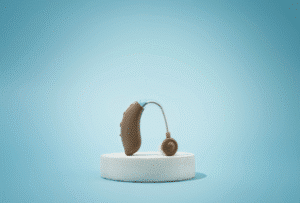
- “Hearing aids are bulky, obvious, and don’t really work.”
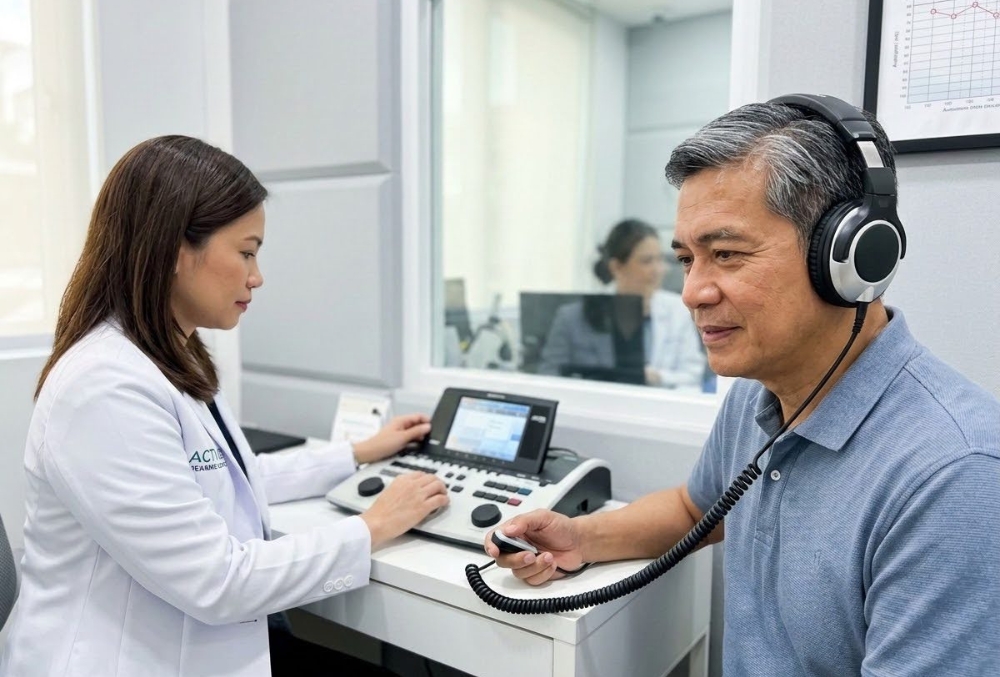
These beliefs create fear and hesitation. In reality, a proper hearing test is simply an assessment—it helps you understand what is happening to your hearing so you can make informed decisions. Modern hearing aids are far more discreet, comfortable, and customizable than most people expect. But without that first step—a test—people never get to see what is actually possible.
Money, Priorities, and Access
Cost is another major concern. Many families assume that hearing tests and hearing aids will be too expensive, so they decide in advance that it is “not practical,” even before they check actual options. Medical budgets usually go to visible or urgent problems, like blood pressure, diabetes, or hospital bills.
Because hearing loss is invisible and often silent in its early stages, it gets pushed to the bottom of the priority list. People wait until it is truly disruptive—when work performance suffers, safety becomes a concern, or relationships are deeply strained—before they even consider getting checked. By then, the emotional and social damage has often been building for years.
Moving from Denial to Acceptance—and Action
Changing this pattern starts with awareness and emotional recognition. It means noticing the small signs: turning up the volume, missing parts of conversations, avoiding noisy places, feeling exhausted after social gatherings because listening is such hard work. It also means being honest with ourselves and our loved ones: “Maybe this isn’t just pagod. Maybe it’s my hearing.”
Acceptance is not about giving up; it’s about deciding that staying connected—to your spouse, children, apos, friends, and co‑workers—is worth taking seriously. A hearing test doesn’t define who you are. It simply gives you clarity and options, so hearing loss doesn’t quietly take away the moments that matter most.
Why Trust Active Hearing Center (AHC)?
Active Hearing Center (AHC) exists to make this journey easier, more compassionate, and more dignified. The goal is not just to treat ears, but to protect relationships, confidence, and quality of life. At AHC centers nationwide, hearing tests are done with care, clear explanations, and respect for your fears and questions.
You deserve to hear your loved ones clearly. You deserve to enjoy kwentuhan, laughter, and everyday sounds without guessing or pretending. Taking a hearing test is a courageous, practical step toward that.
Ready to take the first step?
If you’ve noticed changes in your hearing—or in someone you love—don’t wait for the problem to get worse. A simple hearing test can give you answers, options, and hope.
- Learn more about what happens during a hearing test and why it matters: Hearing Tests at Active Hearing Center
- If you’re ready to act now, you can choose your preferred schedule and branch here: Book an Appointment with AHC
Your hearing connects you to the people you love. Let’s protect it—starting today.