Your hearing aids work hard every day, from the moment you put them on in the morning until you take them off at night. But like any electronic device, they don’t last forever. And just as importantly, your hearing may not stay the same either.
Knowing when to upgrade helps you avoid months (or years) of struggling with devices that no longer fit your needs. Here’s what to watch for, and how to plan for it.
How Long Do Hearing Aids Last?
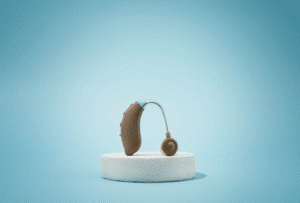
Most prescription hearing aids are designed to last between three and seven years, with around five years commonly cited as the average. How long yours will last depends largely on the style:
- Behind-the-ear (BTE) hearing aids generally last the longest, often five to seven years, because their electronics sit in a casing outside the ear.
- In-the-ear (ITE) and RIC (Receiver-in-the-canal) hearing aids typically last around three to five years.
- Smaller in-the-canal (ITC) and completely-in-the-canal (CIC) models tend to last closer to three years, since they sit deeper in the ear canal and are constantly exposed to moisture, earwax, and body heat.
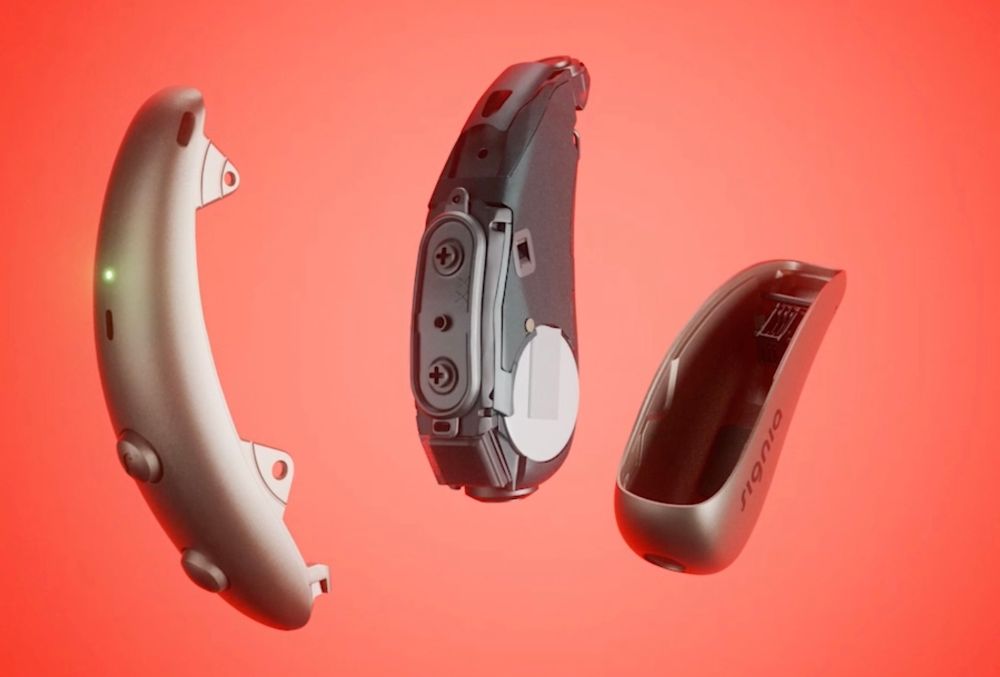
Daily care, proper storage, and your environment also play a role. Rechargeable hearing aids have built-in batteries that can only go through a limited number of charging cycles. And as technology moves forward, manufacturers eventually stop making replacement parts for older models, which can make repairs difficult or impossible.
Signs It’s Time for an Upgrade
Hearing aids don’t need to break down completely before replacement makes sense. Watch for these signs:
1. Your hearing has changed. If you’re turning up the volume more often, asking people to repeat themselves, or struggling in places that used to be manageable, your hearing may have changed. A hearing test will show whether your current devices still match your hearing.
2. Repairs are becoming frequent or costly. Crackling, cutting-out sound, weak microphones, or recurring moisture damage are common signs of an aging device. When repair costs start adding up, or parts are no longer available, replacement is often the more practical choice.
3. Battery life no longer holds up. Rechargeable aids that can’t make it through the day, or disposable batteries that drain faster than before, can point to worn components.
4. Your lifestyle has changed. A new job, more meetings, frequent phone or video calls, or a more active social life can place new demands on your hearing that older devices weren’t chosen to handle.
5. You’re missing out on newer technology. Newer models may offer features your current devices lack, such as Bluetooth streaming to phones and TVs, better speech processing in noisy places, automatic adjustment to different environments, rechargeable batteries, and app-based controls.
6. Comfort or fit has worsened. Worn earmolds or shells, or changes in the shape of the ear canal over time, can cause discomfort, a loose fit, or whistling (feedback).
7. Your audiologist recommends it. The most reliable way to know is a professional evaluation. Your audiologist can tell you whether adjustments are enough or whether newer technology would serve you better.
Sloping Sensorineural Hearing Loss: Why Regular Check-Ups Matter
Sensorineural hearing loss involves the inner ear or the hearing nerve. A sloping pattern means hearing is affected more at the higher pitches than at the lower ones, which can make speech sound muffled or unclear, especially in noisy places.
A gradually sloping, high-frequency sensorineural loss is a common pattern in age-related hearing loss (presbycusis). This type of hearing loss is progressive: it tends to worsen slowly over time, usually in both ears.
This is why hearing aid users with sloping sensorineural hearing loss should have their hearing checked regularly. Your hearing aids were programmed based on your hearing at the time of fitting. As your hearing changes, those settings can fall behind. Your audiologist can often reprogram your devices to keep up, but every hearing aid can only cover a certain range of hearing loss. Once your hearing moves beyond what your current devices can handle, an upgrade becomes necessary to keep hearing clearly.
Learn more about why regular hearing tests are crucial, and explore the different kinds of audiology tests you can take to track changes in your hearing.
Ber Months Are Here: Plan Your Upgrade Budget
With the ber months in full swing, many Filipino workers are looking forward to their 13th month pay. Under Presidential Decree No. 851, private-sector employers are required to release it on or before December 24. Some companies also give year-end or Christmas bonuses on top of this, though bonuses are not required by law.
If your hearing aids are approaching the end of their expected lifespan, or you’ve noticed any of the signs above, consider setting aside a portion of your 13th month pay or bonus for a hearing aid upgrade. Planning ahead means you won’t be caught off guard when your devices start to fail, and you can choose new hearing aids based on what you actually need, not what’s available in a rush.
The holidays are also a busy season of family gatherings, reunions, and noisy celebrations, which is exactly when clear hearing matters most.
Start With a Hearing Test
Before choosing new devices, the best first step is an updated hearing evaluation. It tells you whether your current hearing aids can simply be adjusted, or whether an upgrade would make a real difference.
Schedule your hearing test today and find out if an upgrade is right for you. Book an appointment